
How Women Who Keep Their Bones Strong Into Their 70s Stock and Plate 9 Daily Foods

Did you know that women can lose up to 20% of their bone mass in the five to seven years surrounding menopause? That number sounds alarming, but it also reveals a powerful opportunity: what you put on your plate every single day directly dictates how resilient your skeleton stays through your 60s, 70s, and beyond.
Building lifelong bone density does not require complicated supplements or restrictive diets. It requires a practical, food-first routine that delivers calcium, magnesium, vitamin D, and Vitamin K straight to where your body needs them most.
This guide walks you through nine specific, nutrient-dense foods and shows you exactly how to shop for, prep, and plate them so your body actually absorbs them.
No guesswork, no confusing nutrition science—just a straightforward weekly system you can start on your next grocery run.
Swap your morning milk carton for fortified unsweetened soy milk
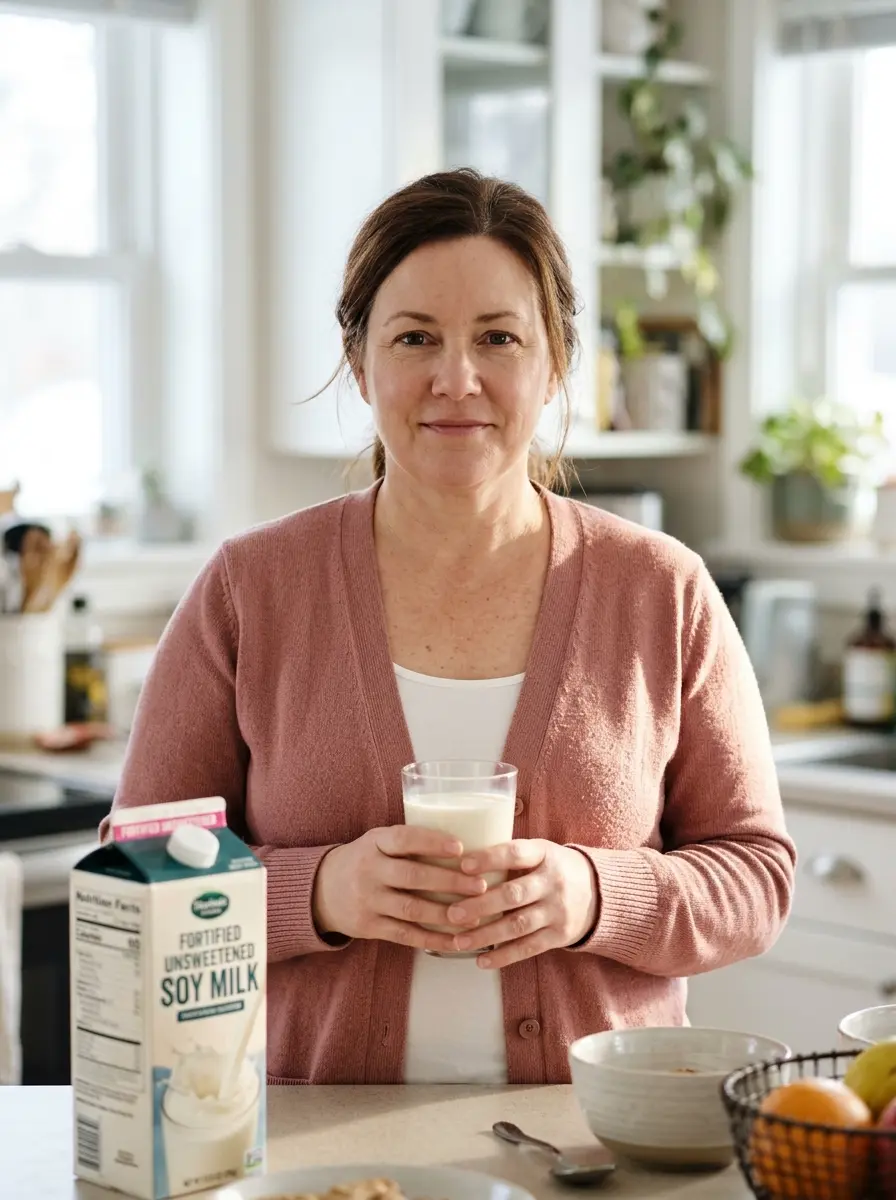
Pour out your regular dairy-free nut milk and check the calcium label. Most almond or oat milks contain very little natural calcium unless heavily fortified, and their protein profiles fall short of supporting bone matrix structure.
Grab a carton of fortified unsweetened soy milk because it matches dairy milk’s protein density while delivering roughly 300 milligrams of calcium per 1-cup serving.
Keep the carton on the front shelf of your refrigerator eye-level so you grab it automatically for your morning coffee or tea. Check the ingredient list to ensure it contains calcium carbonate and vitamin D added, and always shake the carton vigorously for 10 seconds before pouring to distribute settled minerals.
Spoon 6 ounces of plain Greek yogurt into your breakfast bowl

Scoop your yogurt into a ceramic bowl first thing in the morning to secure a massive dose of bioavailable calcium and gut-friendly probiotics in a single serving.
Plain Greek yogurt packs nearly double the protein of regular yogurt, which acts as the structural scaffolding your bone tissue relies upon.
Measure out 6 ounces using a kitchen scale or a standard measuring cup rather than guessing from the tub. Avoid flavored varieties loaded with added sugars that can cause systemic inflammation; instead, let natural toppings carry the flavor.
Toss 2 tablespoons of ground flaxseeds over your morning oats or yogurt

Measure exactly 2 tablespoons of ground flaxseeds and scatter them directly across your breakfast bowl before eating. Whole flaxseeds pass right through your digestive tract undigested, meaning you miss out entirely on their rich plant-based omega-3 fatty acids and lignans that help reduce bone turnover.
Store your opened bag of ground flaxseeds inside the freezer to keep the delicate oils from turning rancid.
Stir the powder thoroughly into your yogurt or oats so it absorbs moisture and blends smoothly into every bite without leaving a gritty texture on your tongue.
Pack 4 dried prunes into a small snack container for mid-morning
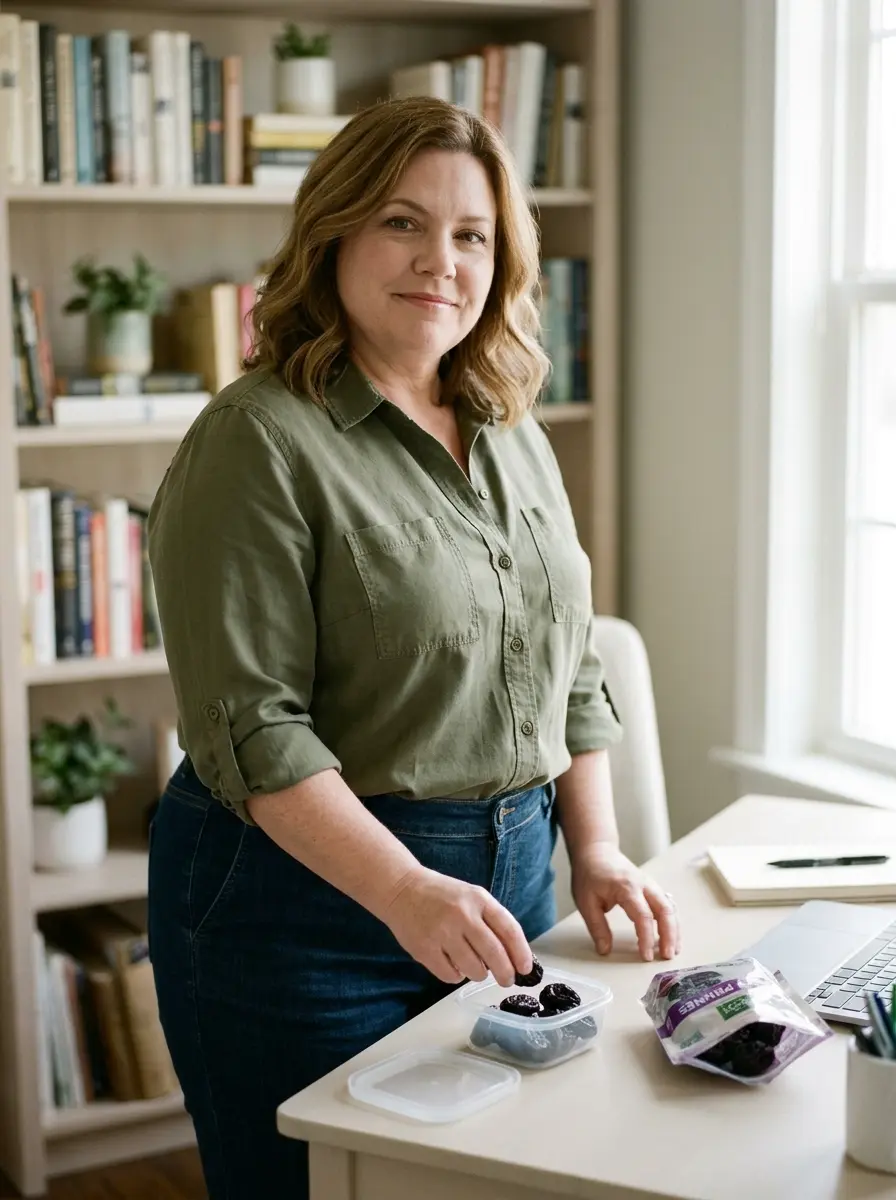
Drop four sticky dried prunes into a portable container and toss it into your handbag or keep it near your desk for an easy 10 a.m. energy boost.
Clinical studies show that eating just 4 to 6 prunes daily helps stimulate bone formation markers and protects against age-related bone density loss thanks to their unique blend of polyphenols and potassium.
Pair them with a small handful of walnuts if you want extra healthy fats to balance your blood sugar. Chew them slowly, and rinse your mouth with water afterward because their natural fruit sugars stick to your teeth.
Load 2 cups of chopped kale into your lunch skillet with olive oil
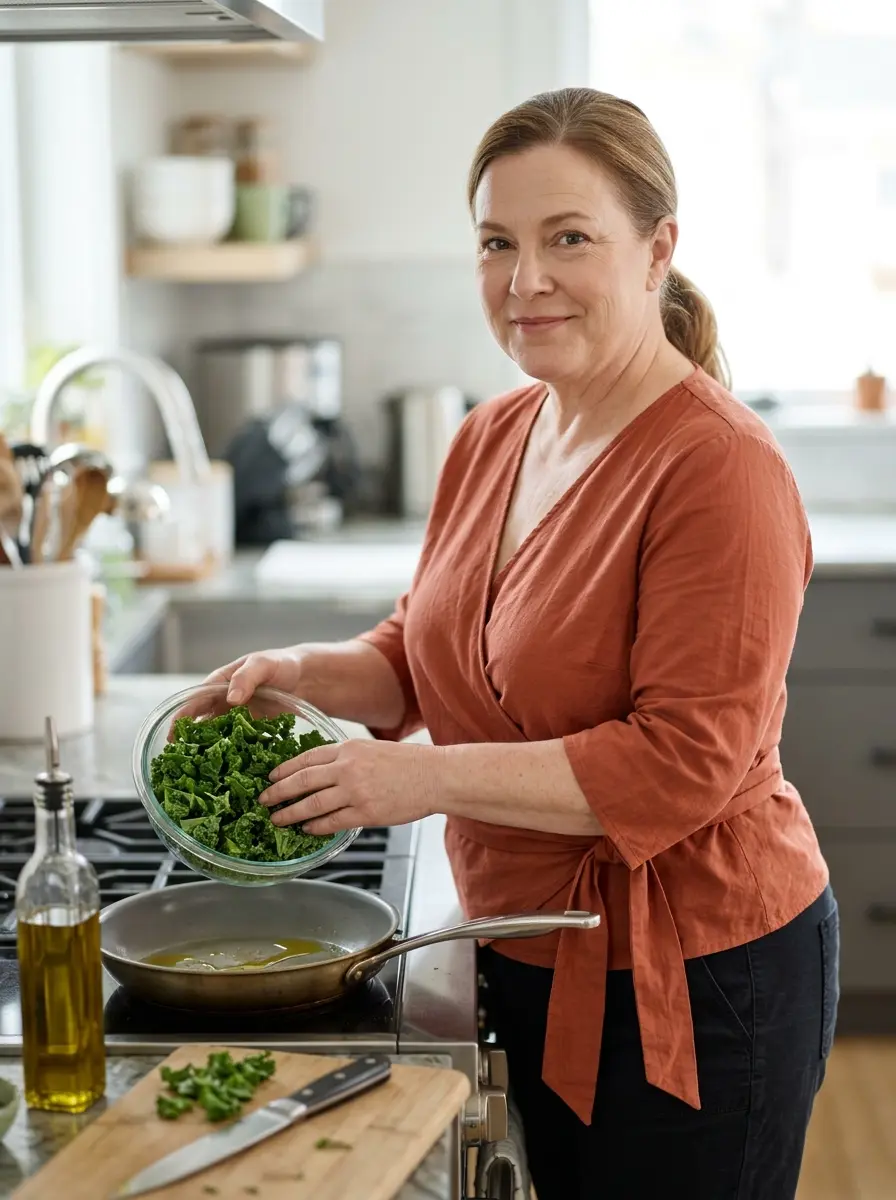
Measure out 2 packed cups of raw curly kale, strip the tough center stems away with your fingers, and toss the leafy greens into a warm skillet coated with 1 tablespoon of extra virgin olive oil.
Kale delivers a potent punch of vitamin K, which acts as the traffic cop directing calcium straight into your bone matrix instead of letting it calcify in your soft tissues.
Sauté the greens over medium heat for precisely 4 minutes until they wilt down into a bright green, tender side dish.
Flake 1 can of bone-in wild salmon onto your midday salad
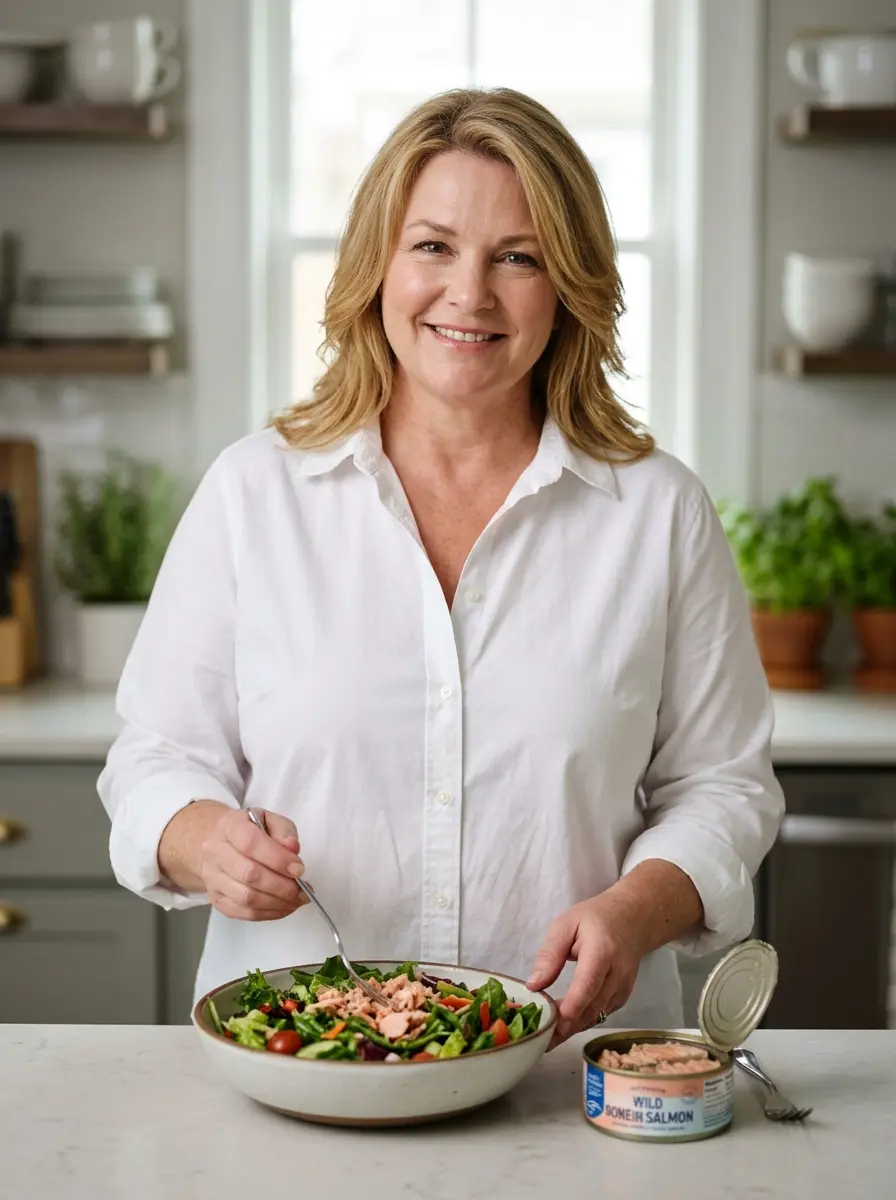
Open a standard 6-ounce can of wild pink salmon, drain the liquid into the sink, and tip the contents onto your lunch greens.
Those soft, spine bones inside the canned fish crumble effortlessly under a fork, giving you an edible, highly absorbable source of natural calcium and marine phosphorus.
Toss the flaked fish gently with your salad greens and a squeeze of fresh lemon juice to brighten the flavor profile.
Slice half a block of calcium-set tofu into cubes for dinner
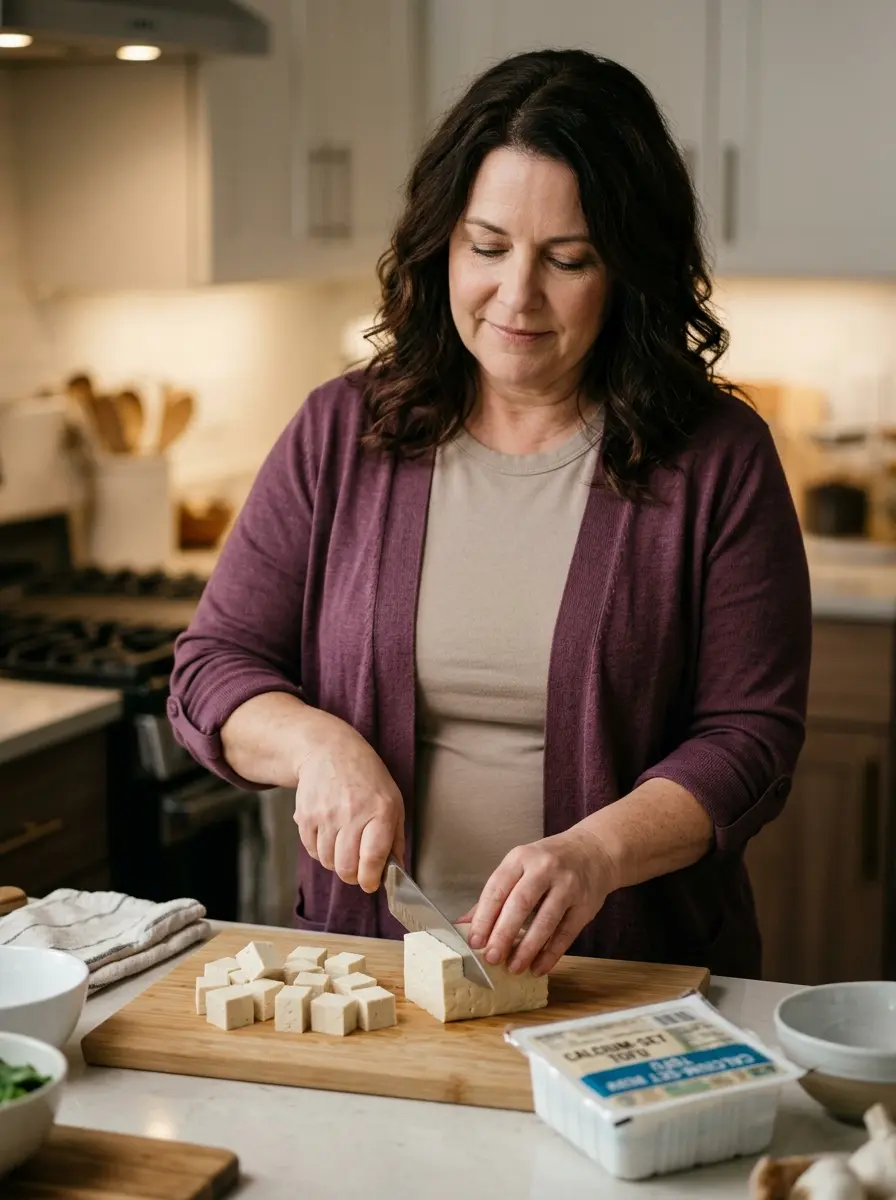
Cut a standard 14-ounce block of firm tofu directly down the middle with a sharp chef’s knife, wrap the remaining half in plastic wrap for later in the week, and slice your portion into half-inch cubes.
Check the ingredient label on the package to verify it is explicitly “calcium-set” or prepared with calcium sulfate, which transforms a simple plant protein into a major bone-building powerhouse with over 350 milligrams of calcium per serving.
Pat the cubed tofu gently with a clean paper towel to remove excess surface moisture so it browns evenly in your skillet without sticking.
Toss the dry cubes into a hot pan with a splash of avocado oil and sear them for 6 minutes, turning once until golden.
Sprinkle 1 ounce of roasted almonds over your evening vegetables
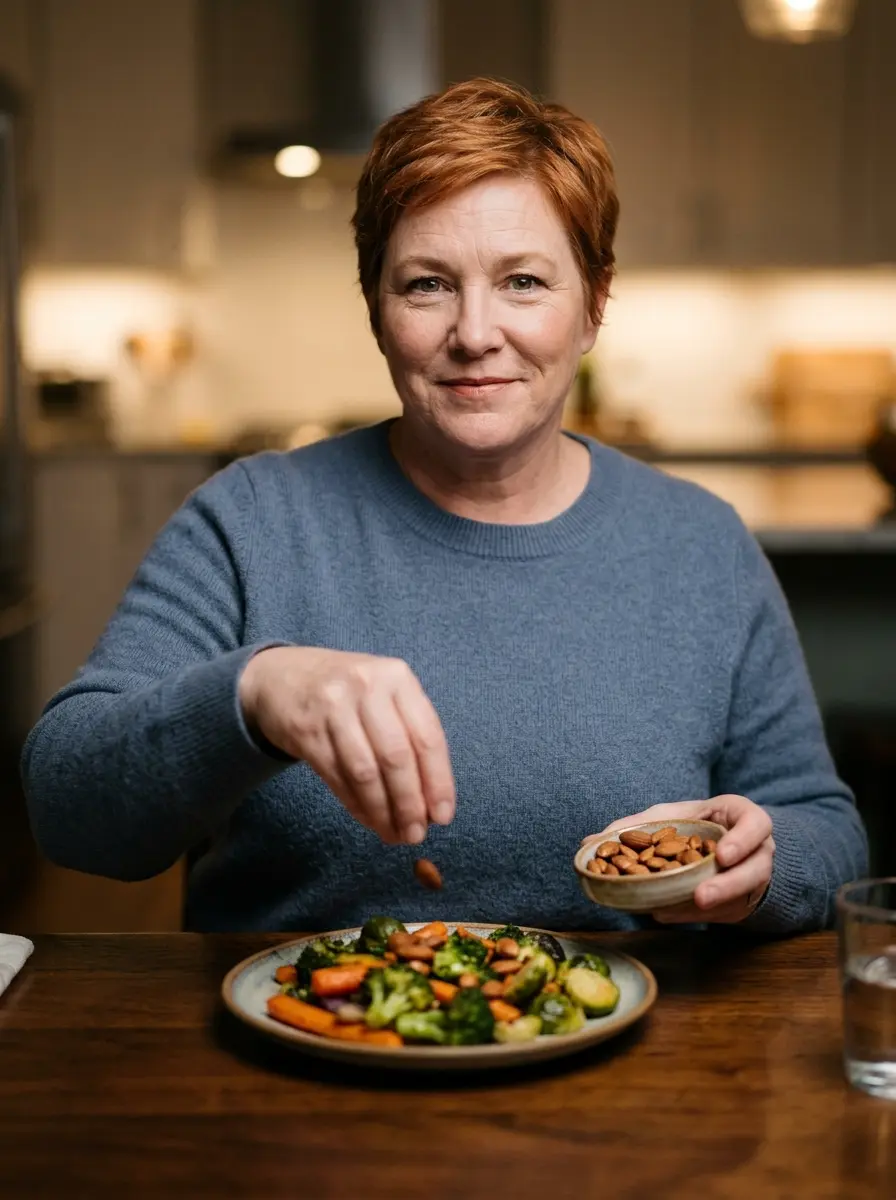
Weigh out exactly 1 ounce—about 23 individual nuts—of roasted unsalted almonds and scatter them across your dinner side dish or grain bowl.
Almonds supply a generous dose of magnesium and bone-strengthening minerals that work in tandem with calcium to maintain skeletal rigidity and muscle function.
Chew each nut thoroughly rather than swallowing large pieces to ensure your digestive system fully breaks down the cell walls and absorbs the targeted nutrients.
Store your open almond bag in a cool, dark pantry or seal it tightly in a glass jar to maintain their fresh crunch.
Simmer 1 cup of white cannellini beans into your weeknight soup
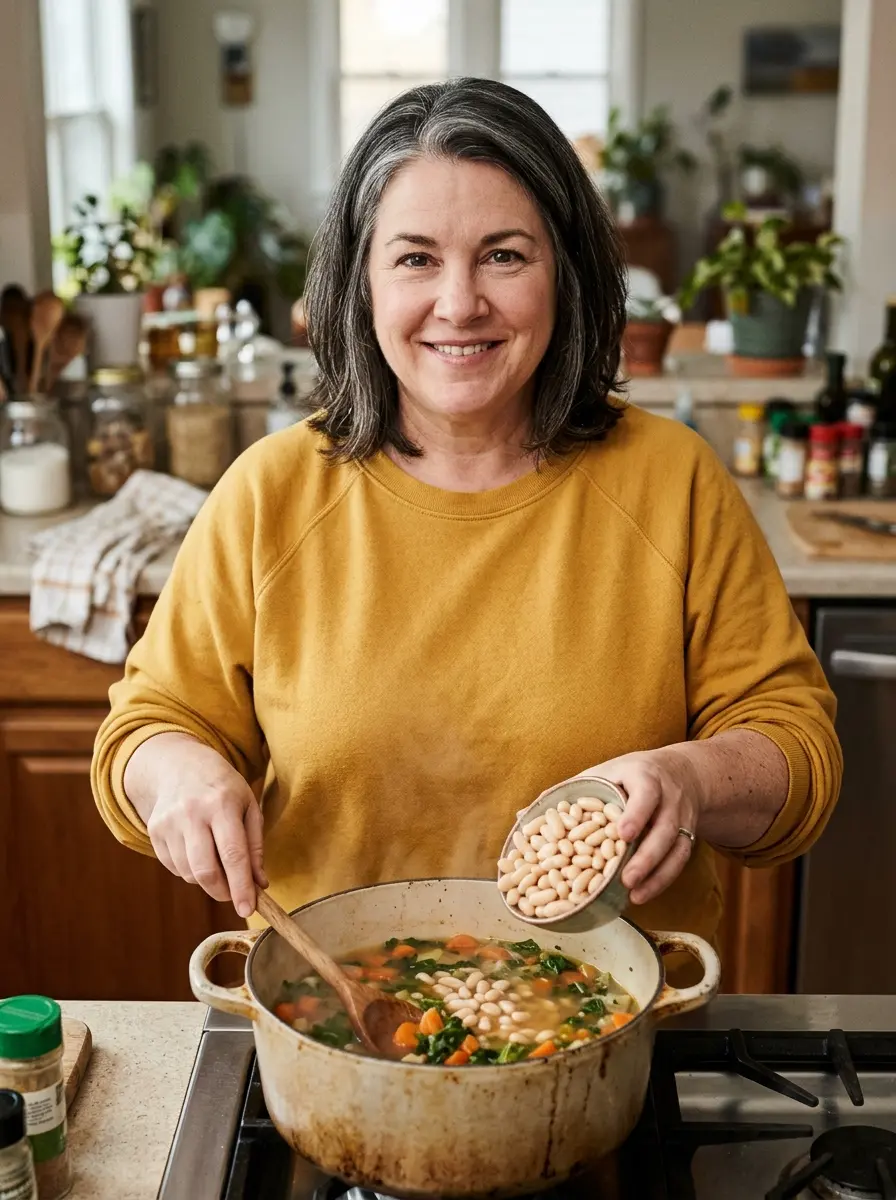
Measure 1 cup of rinsed canned white cannellini beans and drop them directly into your evening soup pot or warm them gently in a small saucepan with vegetable broth and garlic.
Cannellini beans provide a rich plant-based matrix of magnesium, potassium, and slow-digesting carbohydrates that support overall metabolic and skeletal health as you age.
Simmer the beans on medium-low heat for 8 minutes until they absorb the surrounding flavors and turn tender-creamy. Mash a quarter of the warm beans against the side of the pot with your spoon if you prefer a thicker, richer broth texture.
Can I get enough calcium from plant foods alone if I am dairy-free?
Yes, provided you consistently choose calcium-set tofu, fortified soy milk, and low-oxalate greens like kale rather than relying on unfortified alternatives.
Why are prunes specifically highlighted for bone health over other fruits?
Prunes contain unique phenolic compounds and high levels of vitamin K and potassium that clinical trials link directly to reduced bone resorption rates in postmenopausal women.
You have successfully mapped out a practical, nutrient-dense routine that brings nine powerful bone-supporting foods straight to your weekly table.
Protecting your bone density doesn’t have to feel like a medical chore when you have a clear, step-by-step system to follow. Pick up just three of these items on your very next grocery trip and test them out this week.
Pin this guide to your favorite healthy living board, and check back whenever you are ready to add the next batch of bone-builders to your routine.