
The Anti-Inflammatory Grocery List Every Woman Over 60 Should Keep


The anti-inflammatory grocery list every woman over 60 should keep fits on one phone screen and takes about 20 minutes to build. Last spring I stood in the produce aisle with 14 tabs open on my phone and three bags of chips in my cart. Every list I had saved said something different.
That day I built my own anti-inflammatory grocery list every woman over 60 should keep, and I have used it every week since.
This guide helps you build the same list in one sitting. You will walk through the store in order: produce, fish, oils and nuts, grains, beans, spices, then labels. By the end you will have one list on your phone, about 22 items long, that works for any week.
The list follows a Mediterranean-style way of eating, which is often recommended for healthy aging. It is about adding good food, not banning your favorites.
Planning takes about 20 minutes at home, and the shopping trip takes about 60 minutes. Nothing here is hard, but the order matters, so follow the steps as written.
One note before we start. This is a shopping guide, not medical advice. If you take medicine or have a health condition, check your list with your doctor or a dietitian.
Your Fridge, Before and After This List

Before: Your grocery lists live in four different places. Snacks jump into the cart at the checkout line. Dinner gets decided at 5 p.m., and half-used bags of greens go soft in the drawer.
After: You have one list, saved in the order you walk the store. Your shelves hold three colors of produce. Two fish dinners and a pot of beans are planned for the week, and your cart matches the plan.
Your Cart, Aisle by Aisle
Produce
- Blueberries or strawberries
- Spinach or kale
- Broccoli
- Cherry tomatoes
- Red bell peppers
- Garlic
- Fresh ginger
Fish
- Salmon fillets, fresh or frozen
- Canned sardines or canned salmon
Oils and Nuts
- Extra-virgin olive oil
- Walnuts
- Ground flaxseed
Grains
- Rolled oats
- Brown rice
Beans
- Canned chickpeas
- Canned black beans
- Dried or canned lentils
Spice Rack
- Ground turmeric
- Ground cinnamon
Freezer and Dairy Case
- Frozen blueberries
- Frozen spinach
- Plain Greek yogurt
Photograph your fridge and pantry before you write one item
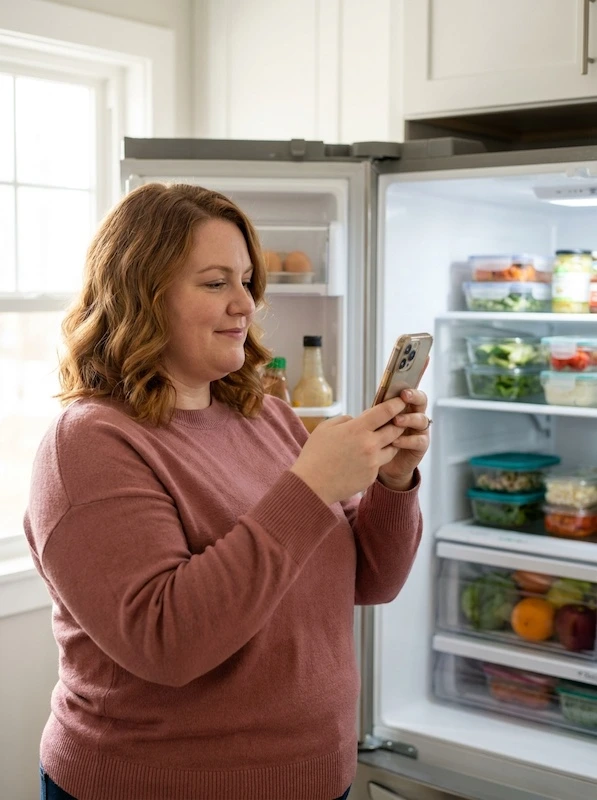
Open every door and take one photo per shelf. Seeing what you already own stops you from buying a third jar of the same thing. It also shows the real gaps.
Save the photos in a new album called “Grocery,” because you will check them against your list in the next steps. A list written without this step often runs past 40 items, and the bill grows with it.
Fill the cart with three colors of produce first
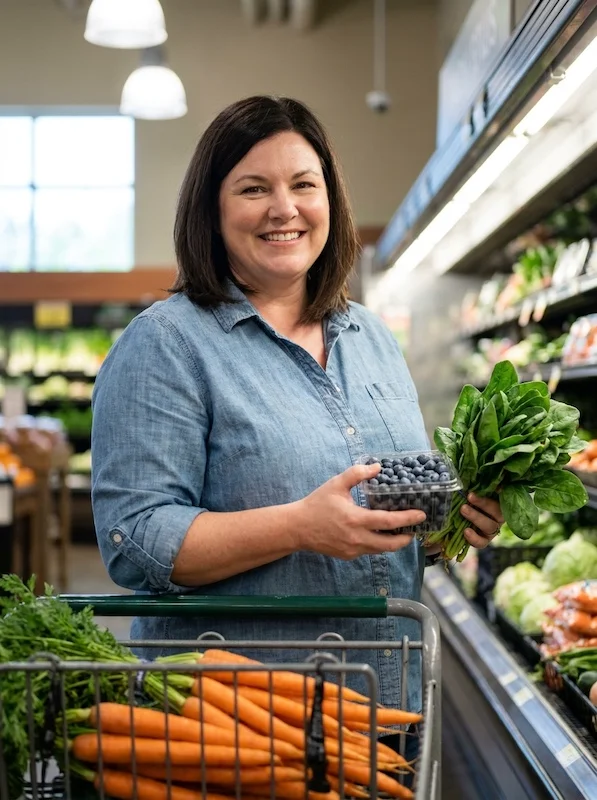
Color is your shortcut. Pick one red or purple food (blueberries, strawberries, red peppers), one dark green (spinach, kale, broccoli) and one orange (sweet potatoes, carrots).
Shop this section before anything else, so the produce rides on top and never gets squashed under cans.
Buy only what you will eat in 5 days, because fresh greens turn slimy fast. Frozen bags fill any gap later in the week.
Check With Your Doctor First if You Take Medication
If you take a blood thinner such as warfarin, ask your doctor how many leafy greens are right for you. Greens carry vitamin K, which can change how some blood thinners work. Keep your amounts steady from week to week, and ask before you change them.
Choose fish for two dinners — canned counts too
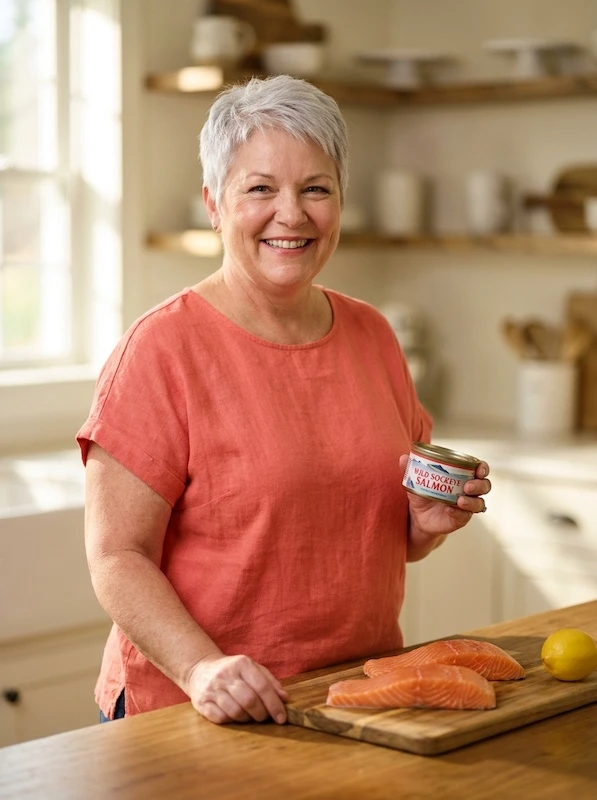
Plan for 2 fish dinners a week, about 4 ounces each. Frozen salmon costs less than the fresh counter and keeps for months, so the freezer aisle is a smart stop.
Short on time? A can of sardines or salmon on whole-grain toast is a full meal in 5 minutes. If the smell bothers you, start with canned salmon, which is milder than sardines.
Stock olive oil and one small bag of walnuts
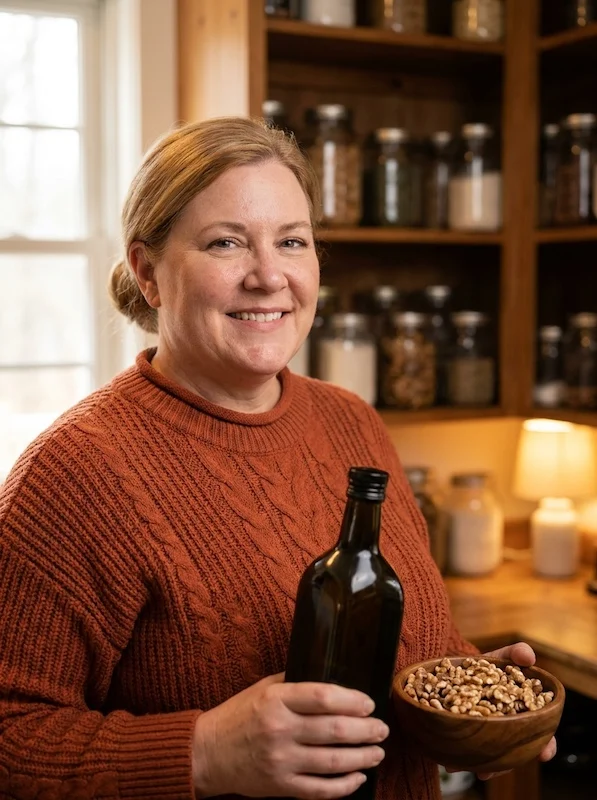
If the label says “light” or “pure,” put the bottle back. You want extra-virgin olive oil, ideally in a dark glass bottle that blocks sunlight. Choose a 16-ounce size, because oil loses its flavor if it sits open for months.
Add one small bag of plain walnuts, about 8 ounces, with no salt or candy coating. Store the walnuts in the fridge so they do not turn bitter.
Swap two white-grain staples for oats and brown rice
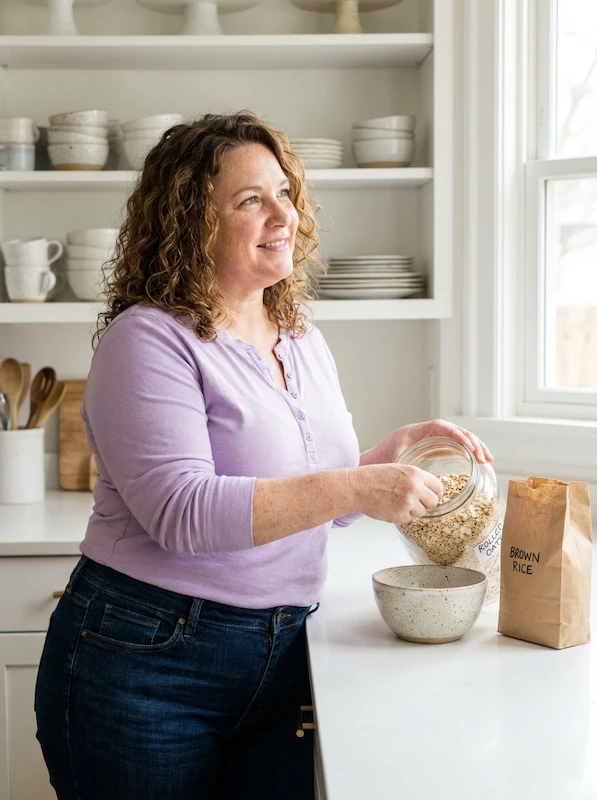
Two swaps cover most of this aisle, and neither one changes how you cook. Whole grains keep their outer layer, and that layer holds the fiber that keeps you full longer.
- White rice becomes brown rice
- Instant oatmeal packets become plain rolled oats
- Sweet cereal stays on the shelf for now
Buy the smaller bag of each the first time, so you can test whether you like the texture before you commit. Brown rice takes about 45 minutes on the stove, while rolled oats take about 5 minutes.
Open the beans aisle and grab three cans
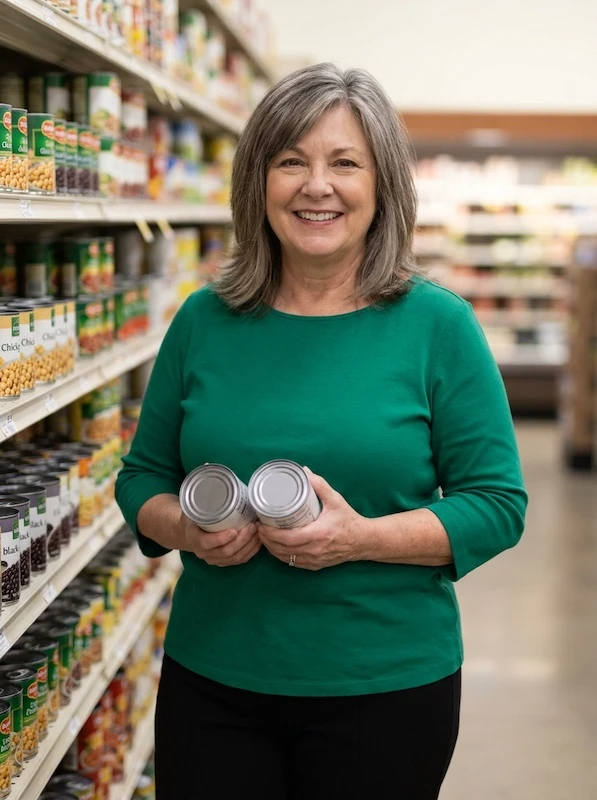
Canned beans are already cooked, which is why they rescue a tired weeknight. Take one can each of chickpeas, black beans and lentils.
Look for “no salt added” on the label. If the shelf only has regular cans, pour the beans into a colander and rinse them under cold water for 30 seconds, which washes off much of the extra salt.
Pro Tip Block (Block 4, goes right after the paragraph above):
Use the Liquid, or Pour It Out on Purpose
The thick liquid in a can of chickpeas is salty and slippery. Drain it into the sink, then rinse the beans so they taste clean in soups and salads.
Season with turmeric, ginger and garlic so meals taste like something

A spoon of the right spice rescues plain food. Stir 1 teaspoon of ground turmeric into a pot of lentils, grate a 1-inch piece of fresh ginger into a stir-fry, and press 2 cloves of garlic into almost anything.
Add cinnamon to your oats, about ½ teaspoon. Buy small jars, because ground spices lose their punch after about a year. Check the date on the lid before it goes in the cart.
Read the label on one packaged item per trip
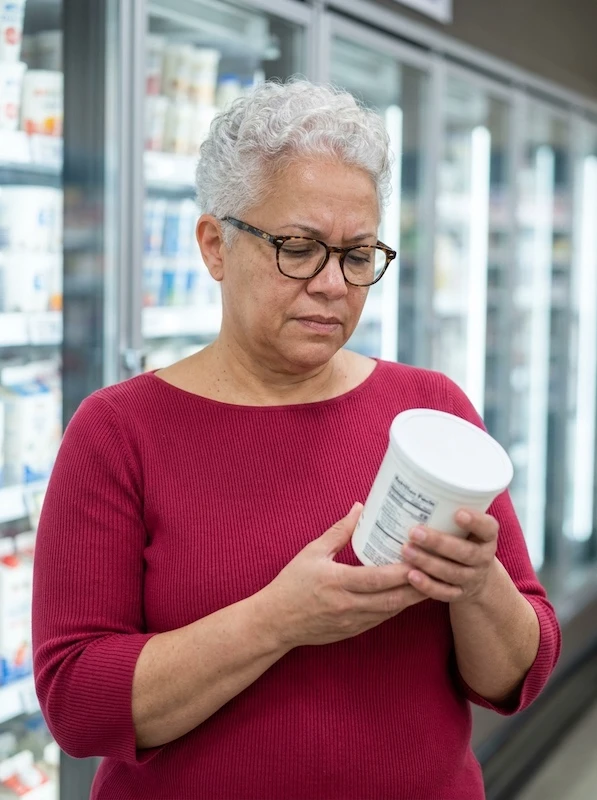
Pick the plain Greek yogurt and flip the tub over. Look at the line called Added Sugars and aim for 0 grams. Then read the ingredients, which should be short, usually milk and live cultures.
A flavored cup can hide 10 grams or more of added sugar in a single serving. Choose a different item on your next trip, such as bread or canned soup, so label reading never turns into a chore.
Save your anti-inflammatory grocery list in the order you walk the store
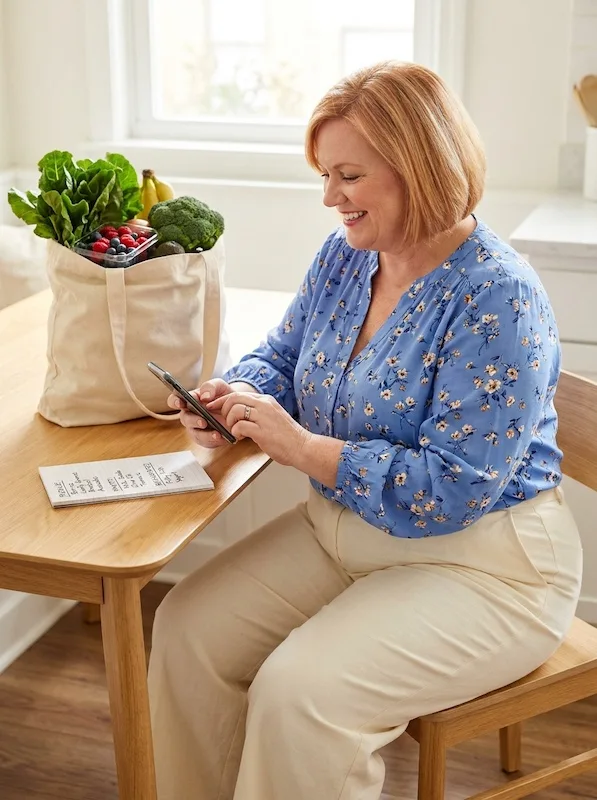
Your phone already has a notes app, and that is all the tool you need.
Build the note in five moves:
- Open a new note and title it “Weekly Grocery”
- Type seven headings in walking order: Produce, Fish, Oils and Nuts, Grains, Beans, Spice Rack, Freezer and Dairy
- Copy the items from the cart block under each heading
- Delete anything you already own, using the photos from the first step
- Pin the note to the top of your list
Walking order matters because it stops the zigzagging that leads to impulse buys.
Share the Note With Someone Who Shops for You
If a daughter, neighbor or partner picks up groceries, share the note with them. The order stays the same, and nobody has to guess what “the good yogurt” means.
Common Mistakes:
Label Traps That Look Healthy on the Shelf
Five front-of-box claims to double-check before they hit your cart.
Trusting “Made With Olive Oil” on Chips and Crackers
Turn the box over. If olive oil sits near the bottom of the ingredient list, there is only a small amount inside. Buy the bottle of extra-virgin olive oil instead and use it at home.
Grabbing “Multigrain” Bread and Calling It Whole Grain
“Multigrain” only means more than one grain, and they can be refined. Look for the words 100% whole wheat or whole grain as the first ingredient.
Choosing Low-Fat Fruit Yogurt Cups
Companies often add sugar when they remove fat. Check the Added Sugars line, and buy plain Greek yogurt with your own berries stirred in.
Pouring Granola on Everything Like a Health Food
Many granolas have 8 to 12 grams of sugar in a small scoop. Plain rolled oats with cinnamon and a few walnuts give you crunch without the sugar.
Believing the Word “Natural” on the Front
“Natural” has no strict meaning on most foods. Ignore the front of the package and read the short ingredient list on the back.
FAQ’s: Questions Shoppers Over 60 Ask Us
Does everything on this list need to be organic?
No. Regular fruits and vegetables count, and so do frozen ones. Wash fresh produce under cool running water, and spend your extra dollars on items you eat most.
Is frozen spinach as good as fresh?
Yes. Frozen greens are packed soon after picking, so they hold their nutrients well. A bag in the freezer also saves you when fresh greens go soft by day 5.
What if I do not like fish?
Start with canned salmon, which tastes milder than fresh. Walnuts and ground flaxseed stay on the list either way. If fish never works for you, ask your doctor or a dietitian what to swap in.
Will this list work if I cook for one?
It does. Buy the small bag of each item, and freeze the extra salmon and berries in single-serving portions so nothing spoils.
How often should I redo the list?
Keep the core items every week and swap one or two each trip, such as a different bean or a new berry. Check your fridge photos every 2 weeks to catch anything you are buying twice.
Quick Reference Card:
The Fridge-Door Cheat Sheet
Screenshot this or print it, then tape it where you pack your grocery bags.
The Cart
- Produce: berries, spinach or kale, broccoli, cherry tomatoes, red peppers, garlic, ginger
- Fish: salmon, canned sardines or canned salmon
- Oils and nuts: extra-virgin olive oil, walnuts, ground flaxseed
- Grains: rolled oats, brown rice
- Beans: chickpeas, black beans, lentils
- Spice rack: turmeric, cinnamon
- Freezer and dairy: frozen berries, frozen spinach, plain Greek yogurt
The 9 Steps
- Photograph your fridge and pantry
- Fill the cart with three colors of produce
- Choose fish for two dinners
- Stock olive oil and walnuts
- Swap in oats and brown rice
- Grab three cans of beans
- Season with turmeric, ginger and garlic
- Read one label per trip
- Save the list in store order
Taking medicine? Check this list with your doctor or a dietitian first.
Conclusion
You now own one saved note, built in the order you walk the store. It is the anti-inflammatory grocery list every woman over 60 should keep, and it fits in your pocket.
Here is your challenge for this week. Shop with the list one time, then open the fridge on day 5 and see what is left. Drop what went unused, and swap in one new food.
Save this pin to your Healthy Eating board, so the list is on your phone the next time you push a cart.