How to Layer for Thanksgiving Weather

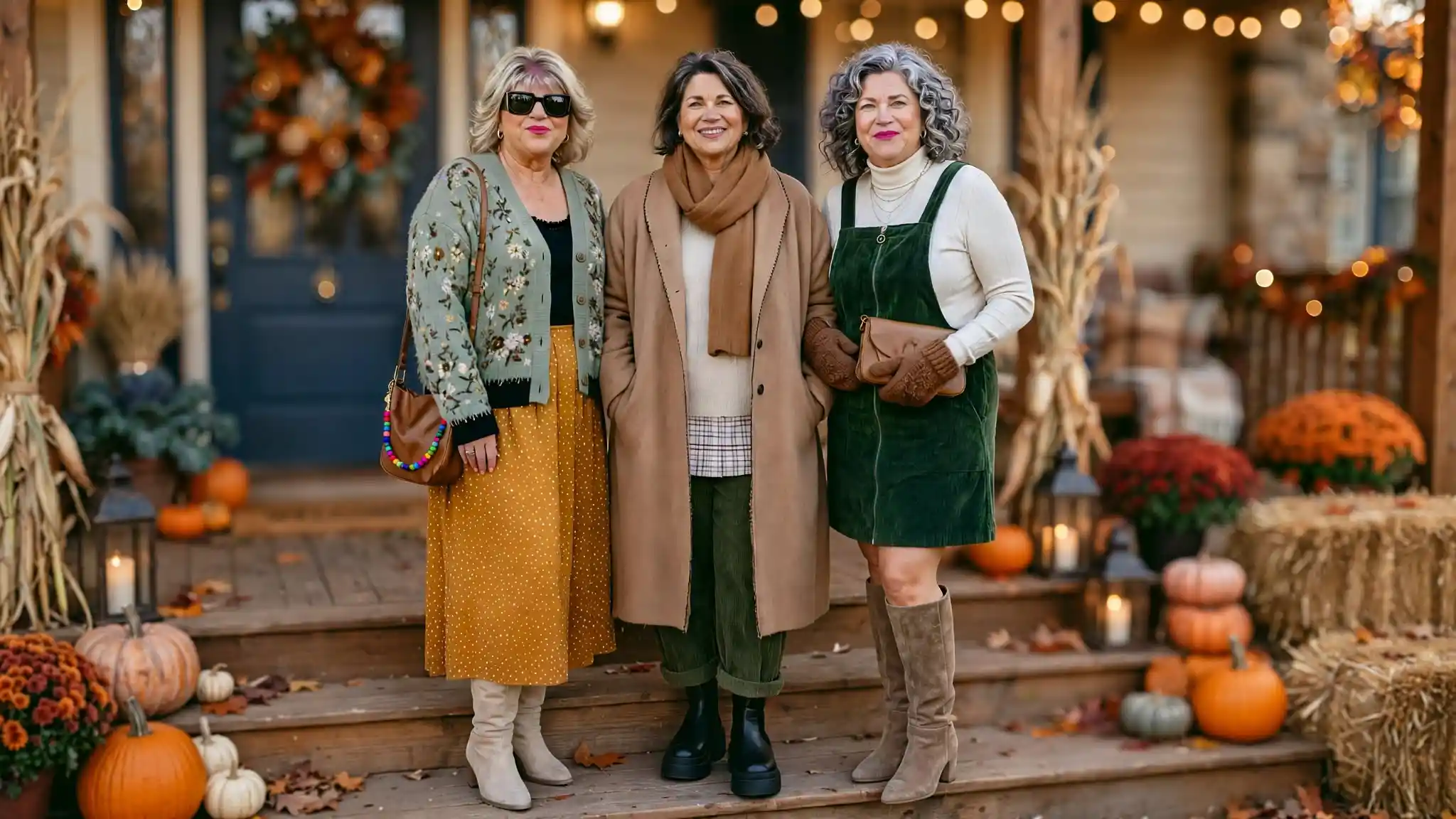
Quick answer: Wear three thin layers: a base layer next to your skin, a warm middle layer you can remove, and a coat that blocks wind. Dress for the “feels like” temperature, not the number on your phone.
Knowing how to layer for Thanksgiving weather sounds simple. Then the day starts. You stand outside at 8 a.m. in the cold. By 2 p.m., you’re in a hot kitchen full of people.
The warmest Macy’s parade on record was 69 degrees in 1933, and the coldest was in 2018, at about 17 degrees.
Other sources put the 2018 start closer to 19 or 21 degrees. Either way, that’s a huge range for one holiday. The Weather Channel
One heavy coat can’t handle that swing. You either freeze in the morning or sweat at dinner.
The fix is thin layers you can add or remove. In this guide, you’ll learn the three layer system, what to wear at each temperature, and how to dress for trots, parades, and cooking.
You’ll also get safe tips for kids and older relatives. Thanksgiving is Thursday, November 26, this year, so you have time to plan what to wear on Thanksgiving. Wikipedia
The 3 Layers That Keep You Warm (and Cool)
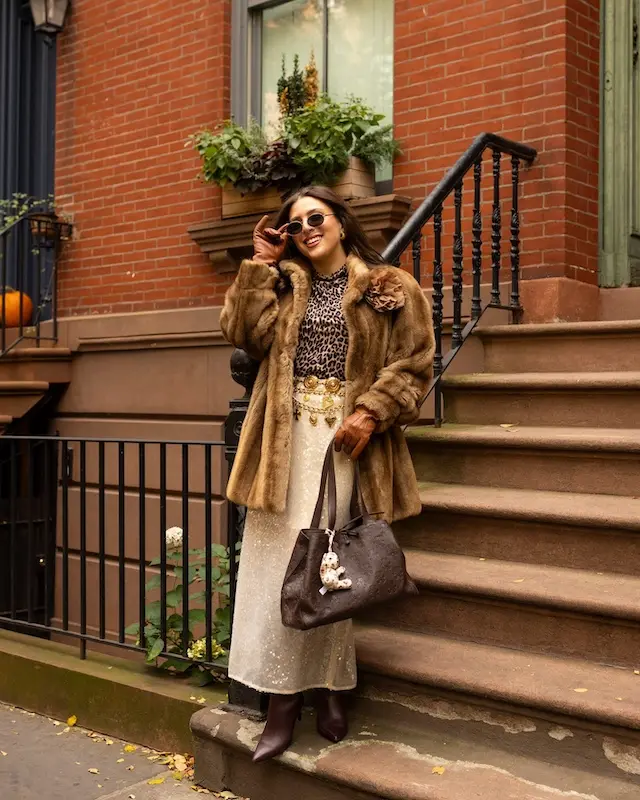
Layering works because you can change it as your day changes. Here’s the basic setup:
| Layer | Job | Good picks |
|---|---|---|
| Base (next to skin) | Pulls sweat away from your body | Thin long sleeve in wool, silk, or polyester |
| Middle | Holds your body heat | Fleece, sweater, quarter zip, or vest |
| Outer | Blocks wind and rain | Windbreaker, water resistant coat, wool coat |
The base layer moves sweat off your skin, the middle layer keeps body heat in, and the outer layer shields you from wind and rain. REI Co-op
Here are four rules that matter most:
- The middle layer does the warming. A heavier base layer adds some warmth, but the middle layer is the main keeper of your body heat. REI Co-op
- Skip cotton against your skin. Wool, silk, or polypropylene inner layers hold more body heat than cotton. CDC
- Keep layers loose. The CDC recommends several layers of loose fitting clothing. Air trapped between layers helps insulate you. CDC
- You don’t need fancy gear. A thin long sleeve, a fleece or sweater, and a windproof coat is a full system.
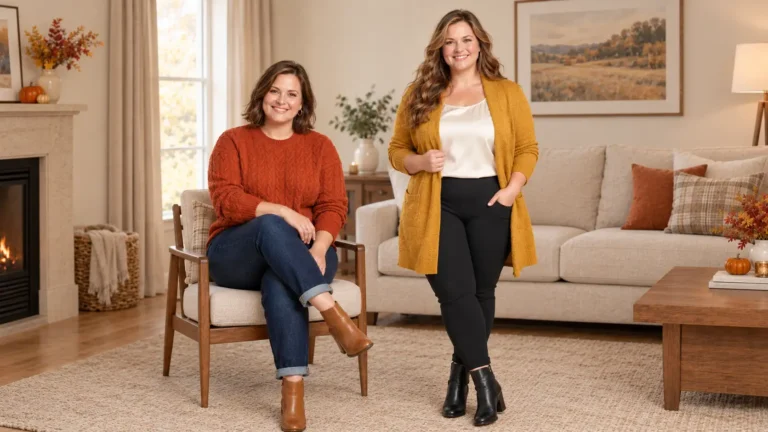
Example outfit: fitted long sleeve tee, quarter zip fleece, and a windbreaker or wool coat.
Now let’s match those layers to the weather.
What Should You Wear at 50°F, 40°F, 30°F, and Below?
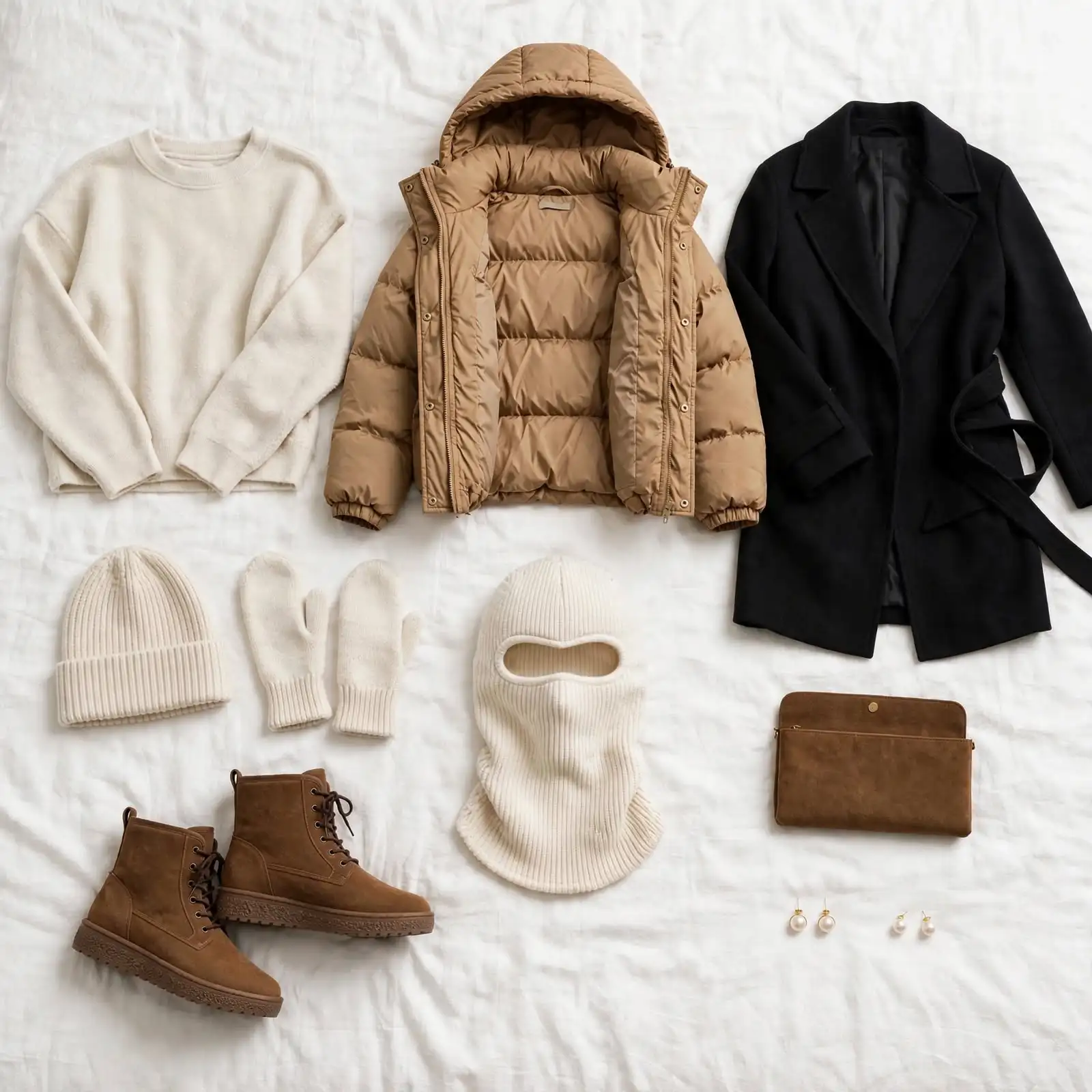
Air temperature isn’t the whole story. Wind steals heat from your skin. That’s why the “feels like” number matters more.
Here are National Weather Service chart values with a 15 mph wind:
| Air temperature | Feels like (15 mph wind) |
|---|---|
| 40°F | 32°F |
| 35°F | 25°F |
| 30°F | 19°F |
| 25°F | 13°F |
| 20°F | 6°F |
These numbers come from the NWS wind chill chart. Two limits to know. The wind chill formula only works at 50°F or below, with wind of at least 3 mph.
Also, frostbite needs an actual air temperature below freezing, not just a low wind chill number. www.ttuhsc.edu +2
Here’s a simple outfit guide. This is general advice, not an official standard:
| Air temperature | What to wear |
|---|---|
| 50s | Base layer + light sweater or fleece |
| 40s | Base layer + fleece + windproof coat |
| 30s | Midweight base + fleece + insulated coat, hat, mittens |
| 20s and below | Heavier base + fleece + insulated, wind blocking coat, plus ear and face cover |
Base layer weight also matters. Lightweight is for moderate to cool temps, midweight for cold, and heavyweight for below freezing. REI Co-op
Tip: Save or screenshot these tables. You’ll want them the night before.
What to Wear for a Turkey Trot, a Parade, and the Kitchen
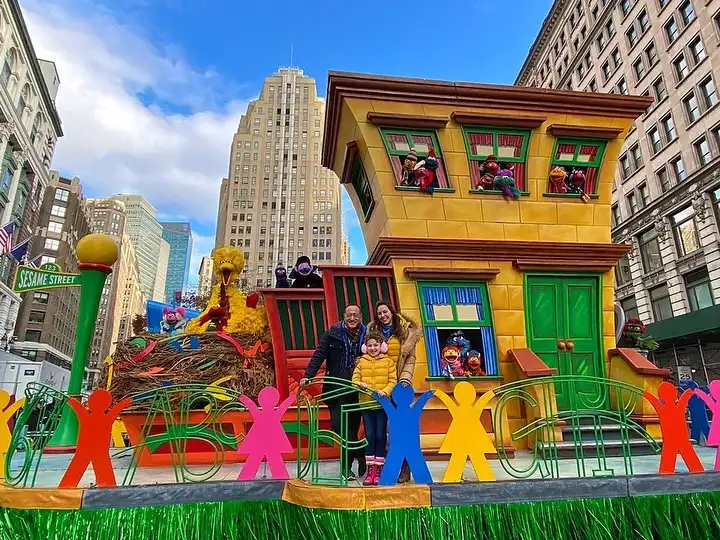
Thanksgiving isn’t one kind of day. Here’s how to dress for each part.
Turkey Trots: Start Cool, Not Cold
Many races start early. For example, the Dallas YMCA Turkey Trot begins at 8:15 AM, and the Franklin Park 5K in Boston starts at 9:00 am. YMCA of Metropolitan DallasFranklinparkcoalition
- Wear a light base layer and a middle layer you can tie around your waist.
- Take off the warm layer when you start to sweat. REI says to remove your insulating jacket the minute you start to sweat. REI Co-op
- Bring a dry top for after the race. The CDC warns that hypothermia can happen above 40 degrees if you’re wet and get chilled. CDC
Parades and Outdoor Crowds: Dress Warmer Than You Think
Standing still is colder than moving. So plan for a long wait.
In 2018, spectators brought blankets and sleeping bags, and one regular said layers and several pairs of socks kept him warm. The city also urged people to wear hats, scarves, gloves, and layers, and to cover fingertips, earlobes, and noses. Fox NewsFox News
- Pick mittens over gloves. Mittens are warmer than gloves. CDC
- Wear thick socks and water resistant boots.
- Bring a blanket to sit or stand on.
Cooking and Hosting: Make the Middle Layer Easy to Remove
Kitchens get hot fast. Ovens, burners, and a crowd add up.
- Wear a cardigan, vest, or zip up you can take off in seconds.
- Keep the thin base layer on.
- Leave the outer coat by the door.
This part is practical advice, not research. I didn’t find a study on kitchen heat.
Kids and Babies: Warm Clothes and Car Seats Don’t Always Mix
Here’s a safety rule many parents miss. Puffy coats can be unsafe in car seats.
- The general rule: Infants should wear one more layer than adults. Sunsetpediatrics
- The car seat rule: The AAP says to put nothing thicker than a sweatshirt or fleece jacket on your child before buckling in. Annapolis Pediatrics
- The pinch test: If you can pinch the strap at your child’s chest, it needs to be tighter. HealthyChildren.org
- The fix: Buckle your child in, then drape a blanket or coat over the straps. HealthyChildren.org
- What to skip: Never use sleeping bag inserts or other stroller add ons in the car seat. Sunsetpediatrics
One more myth to drop. Cold weather doesn’t cause colds or flu. Those viruses spread more in winter because people spend more time close together indoors. Thanksgiving is a good example. Cottonwoodpeds
How to Keep Older Relatives Warm and Safe

Cold hits older adults differently. Some points to know:
- Older adults often make less body heat because of slower metabolism and less activity. CDC
- Older people may not shiver as well, and their bodies are less good at signaling that they’re cold. weather
- Cold, dry air can trigger asthma. CDC
Hypothermia is rare at a normal family gathering. Still, know the signs. For adults, the CDC lists shivering, exhaustion, confusion, fumbling hands, memory loss, slurred speech, and drowsiness. If someone’s temperature is below 95°F, get medical help right away. CDC
Simple habits help:
- Keep drafty rooms warm.
- Offer a blanket or extra sweater.
- Give a warm drink. Skip alcohol as a way to warm up.
5 Layering Mistakes That Ruin Your Thanksgiving
Most cold weather problems come from the same few errors.
- Wearing cotton next to your skin. It holds moisture and cools you down.
- Wearing layers that are too tight. Middle layers should be roomy enough for a base layer and movement, but still somewhat snug. MEC
- Waiting to adjust. Put on a shell at the first sign of rain or wind. REI Co-op
- Forgetting small body parts. The CDC says to cover the nose, ears, toes, cheeks, chin, and fingers. CDC
- Letting your feet get wet. Choose water resistant boots and pack dry socks.
Fixing these is easy once you know what the weather will be.
How to Check the Thanksgiving Weather Forecast the Right Way
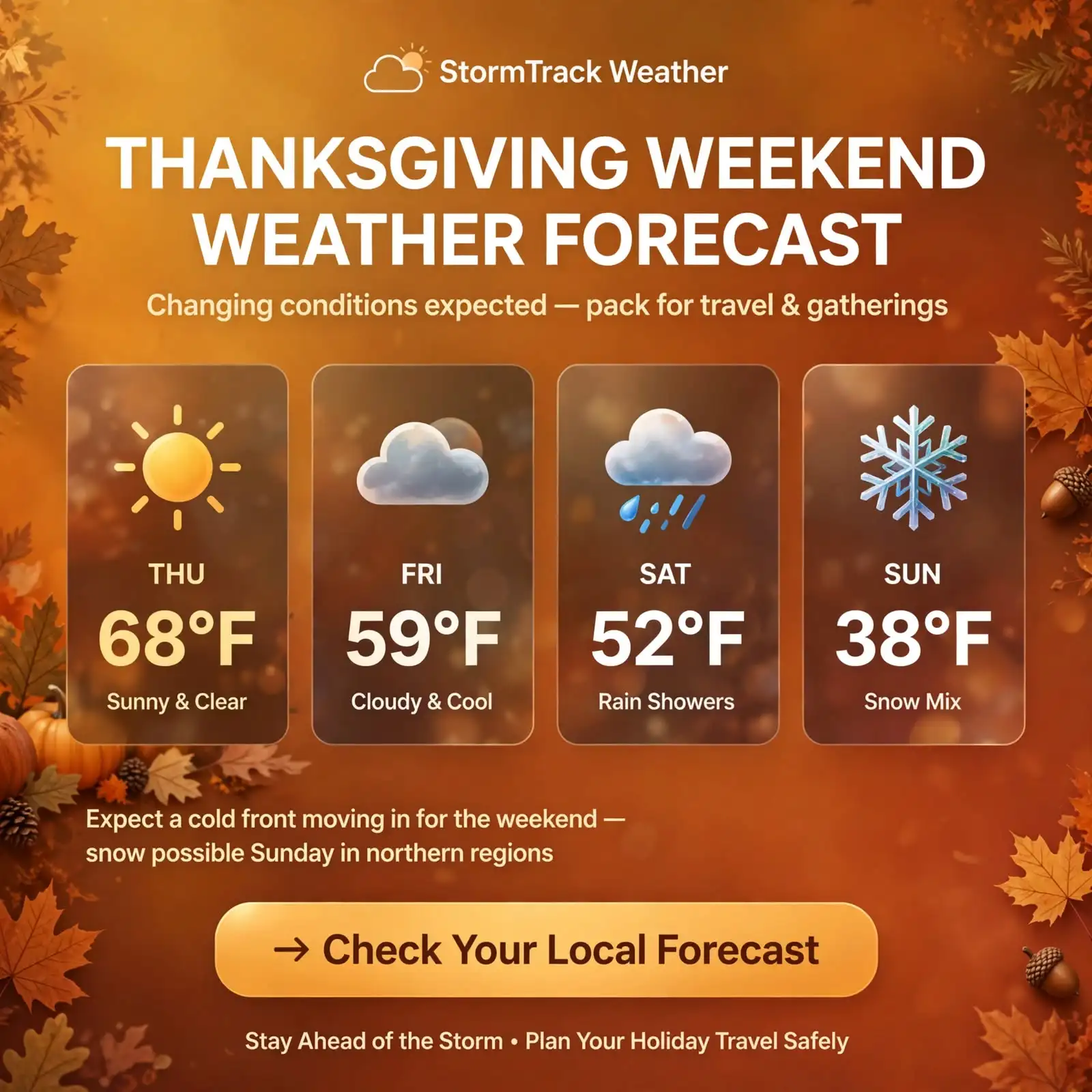
Nobody can tell you the weather months ahead. Use the right tool at the right time.
What long range outlooks can and can’t tell you
- NOAA reports El Niño is getting stronger, with a greater than 90% chance of a very strong event this fall and winter. NOAA Climate Prediction Center
- The updated NOAA outlook favors above normal temperatures across a large part of the U.S. But it covers December through February. It says nothing direct about November 26. Unofficial Networks
- Those outlooks nudge the odds, typically to 33 to 50 percent against a 33 percent baseline. That is not a forecast of what will happen. MyWild
What to do instead
- Check your local forecast at weather.gov three to five days before.
- Check again the night before.
- Look at hourly wind and “feels like” numbers, not just the daily high.
- Pack one extra layer, no matter what.
Thanksgiving Layering FAQ
What should I wear to Thanksgiving dinner if it’s cold outside?
Wear a comfortable base layer and a removable sweater or cardigan. Keep your coat for the walk in and out.
How many layers do I need at 30°F?
Three: a midweight base, a fleece, and an insulated coat. Add a hat and mittens. With a 15 mph wind, 30°F feels like 19°F.
Is a puffer coat enough by itself?
Not for long waits in wind. A single layer can’t adjust when you get warm or cold. Add a base and a middle layer.
Your Thanksgiving Layering Plan in 4 Steps
Now you know how to layer for Thanksgiving weather. Here’s the short version:
- Wear three thin layers: base, middle, outer.
- Dress for the “feels like” number.
- Keep the middle layer easy to remove.
- Give kids and older relatives extra care.
Tonight’s to do: Check your local forecast the night before, then lay out your layers. Save the temperature tables on your phone so you can find them in the morning.
Sources to link in your published version: National Weather Service (weather.gov/safety/cold-wind-chill-chart), CDC winter weather guidance (cdc.gov/winter-weather), HealthyChildren.org (AAP) winter car seat tips, REI Expert Advice on layering, NOAA Climate Prediction Center.
Before you publish:
- Recheck the NOAA outlook, since newer updates may exist.
- Verify the 2018 parade temperature against NWS records if you want one exact number.